
Reverse Engineering a Canoe Outrigger: From Hand-Built Original to Repeatable 3D Design
A local business that builds, refurbishes and operates canoes came to us with a tricky problem: a hand-built outrigger with no drawings and no two exactly alike. They needed a way to reproduce it reliably without losing the shape, proportions and craftsmanship of the original.
Step 1: the original, prepared for scanning
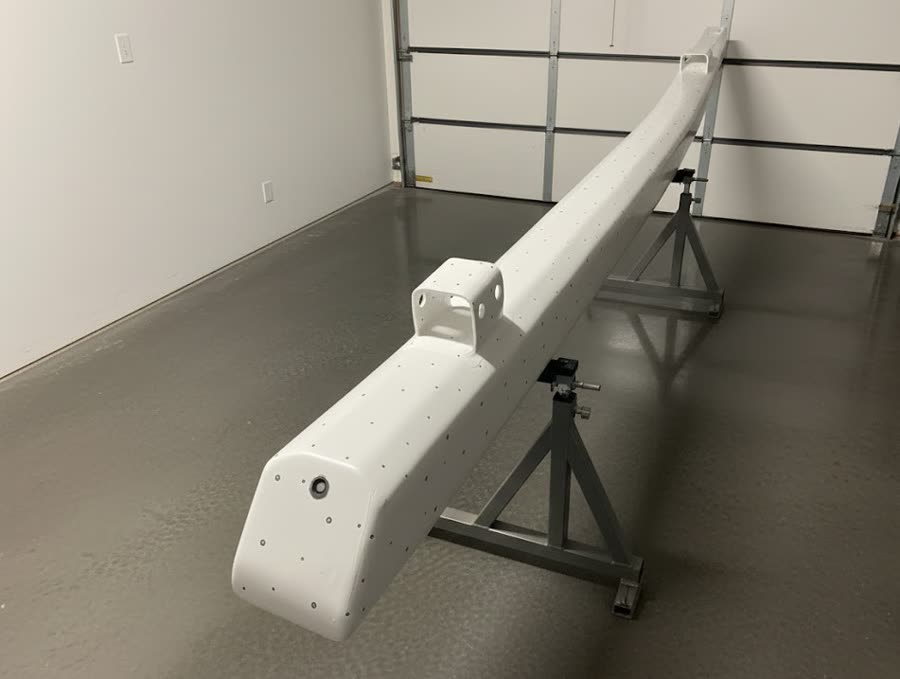
The starting point was the real thing: a 4.5-metre hand-built outrigger, set up on stands in the workshop. Before scanning we prepared and marked the surface, so the scanner had reliable reference points along the full length of the part.
Step 2: capturing it in 3D
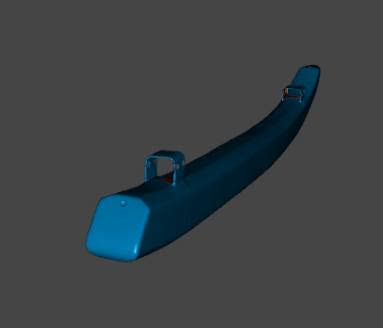
We then scanned the complete outrigger. The raw scan is a dense mesh that captures the real shape exactly as built, brackets and all: faithful to the original, but not yet something you can manufacture from.
Step 3: rebuilt as a clean, repeatable design
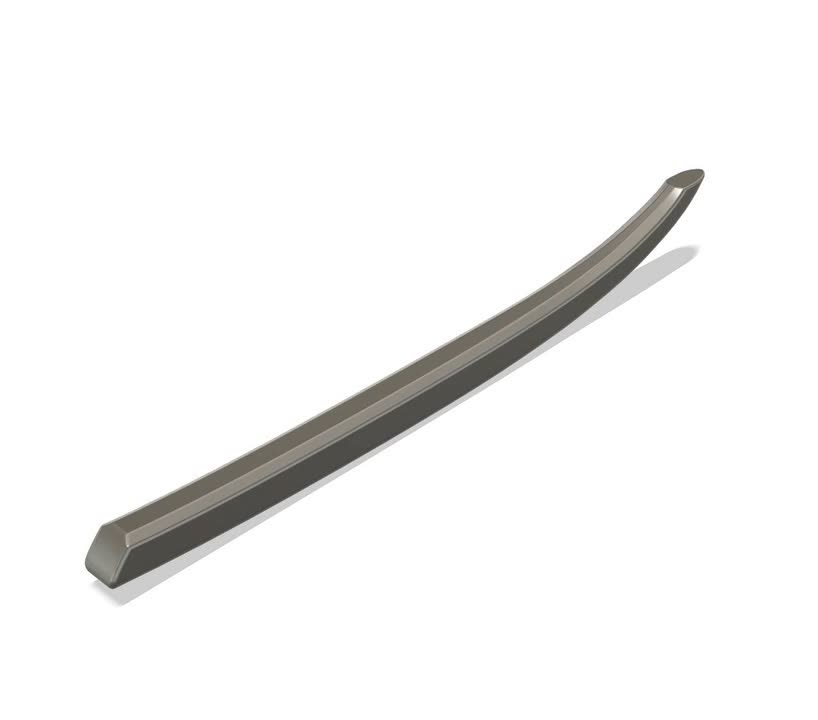
The last step is the real work: rebuilding that scan as a proper CAD model with clean, consistent curves and accurate dimensions. The result is a design that can be manufactured again and again to the same specification, whenever it is needed.
This is one of our favourite kinds of project. Reverse engineering is not about replacing traditional build methods, it is about supporting them, giving a hand-built part a reliable digital backbone for repairs, replacements and long-term consistency.
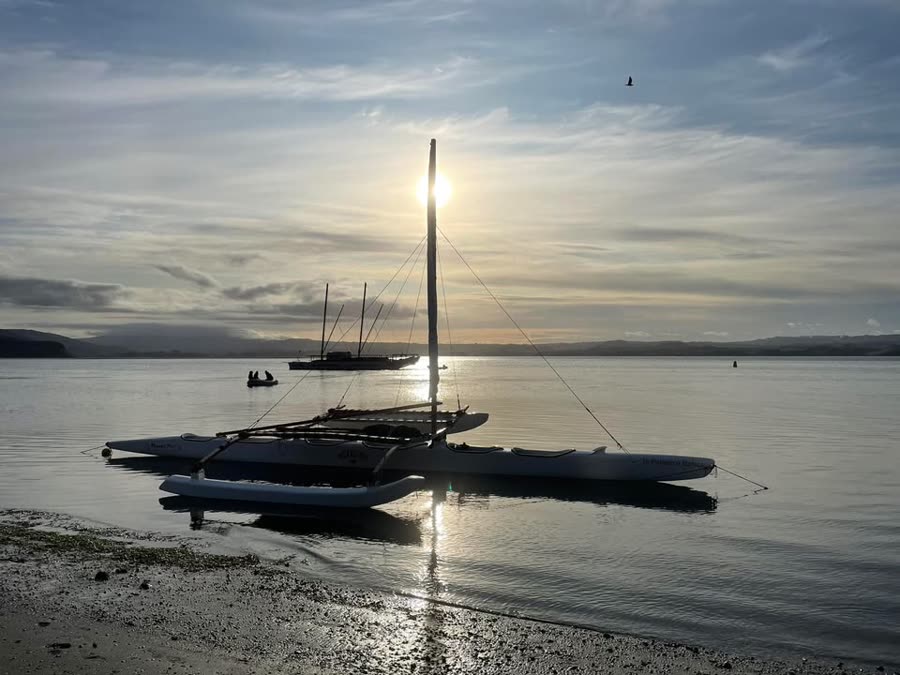
Back on the water, that is the part doing its job again, and it can be rebuilt to the same shape whenever another one is needed.
If you have got a physical object that needs to be documented, replicated or refined, and no drawings exist to work from, get in touch. We are happy to talk through what is possible.
Got a similar project?
Send us a photo or a description and we will come back with an honest assessment and a quote.
Get a Free QuoteAlready have an STL file? Price it in your browser →